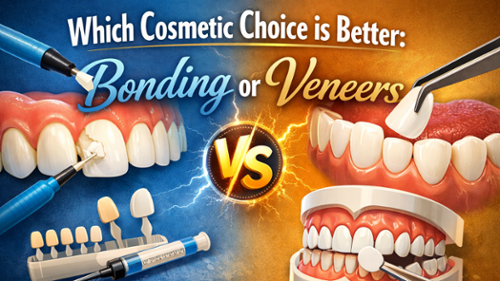
Are you thinking about fixing chipped teeth, covering stubborn stains, or closing gaps between your teeth, but unsure whether veneers or dental bonding is the better option? Both treatments can address these concerns, but they differ in cost, durability, and the amount of tooth preparation required. Knowing these differences can help you choose the treatment that best fits your dental needs, budget, and smile goals.
In this blog, you’ll learn about the pros and cons of veneers and bonding, how they compare in terms of cost and longevity, and which option might be right for you.
What Are Veneers?
Veneers are thin, custom-made shells made from porcelain or composite resin that attach to the front surfaces of your teeth to improve their appearance. They can change the color, shape, size, and overall look of your teeth, creating a more even, natural-looking smile.
Veneers are commonly used to cover stubborn discoloration, repair minor chips, close small gaps, and improve the appearance of slightly uneven or misshapen teeth. Porcelain and composite veneers differ in durability, stain resistance, and cost. Porcelain veneers are known for their durability and stain resistance, while composite veneers offer a more affordable option that can often be completed in a single visit.
Pros of Veneers
- Natural Look: Veneers are custom-made to match your desired tooth shape, size, and color. They can create a natural-looking smile that blends with your surrounding teeth.
- Stain Resistance: Porcelain veneers resist stains from coffee, tea, and other pigmented foods and drinks better than natural enamel and composite bonding.
- Instant fix for flaws: Veneers can cover stubborn discoloration, minor chips, small gaps, and uneven tooth shapes, improving several cosmetic concerns at once.
- Long durability: With proper care, porcelain veneers typically last 10–15 years or longer. Their lifespan depends on the material, oral hygiene, and habits such as teeth grinding.
- Simple Maintenance: Veneers do not require a special cleaning routine. Regular brushing, daily flossing, and routine dental checkups help keep them in good condition.
Cons of Veneers
- Irreversible enamel removal: Traditional veneers usually require removing a thin layer of enamel to create space for the shells. Since enamel does not grow back, this process is generally irreversible.
- Risk of chipping or cracking: Veneers can chip, crack, or become detached under excessive pressure, particularly if you grind your teeth or bite hard objects.
- Cannot be whitened: Veneers do not respond to traditional teeth-whitening treatment. If their color no longer matches your natural teeth, replacement can be necessary to achieve a consistent appearance.
- High financial cost: Veneers generally cost more than dental bonding because they often require custom fabrication and multiple dental visits.
Ideal Candidate for Veneers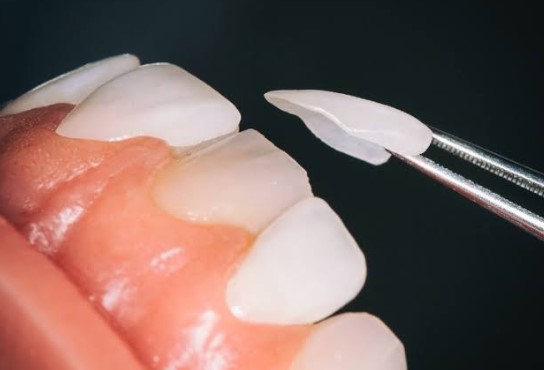
Veneers are a cosmetic option for people who want to make noticeable changes to their teeth’s color, shape, or overall appearance. They are best suited to individuals with good oral health who understand the commitment involved in veneer treatment. You may be a good candidate if you:
- Have deep stains or discoloration that professional teeth whitening cannot adequately address.
- Want to improve uneven tooth shapes, worn edges, or minor imperfections in your front teeth.
- Have small gaps or mild alignment issues that affect the appearance of your smile.
- Have enough healthy enamel to support veneer placement.
- Have healthy gums and no untreated cavities or active gum disease.
- Understand that traditional veneers usually require permanent enamel removal and that you are committed to maintaining them with regular dental care.
What Is Dental Bonding?
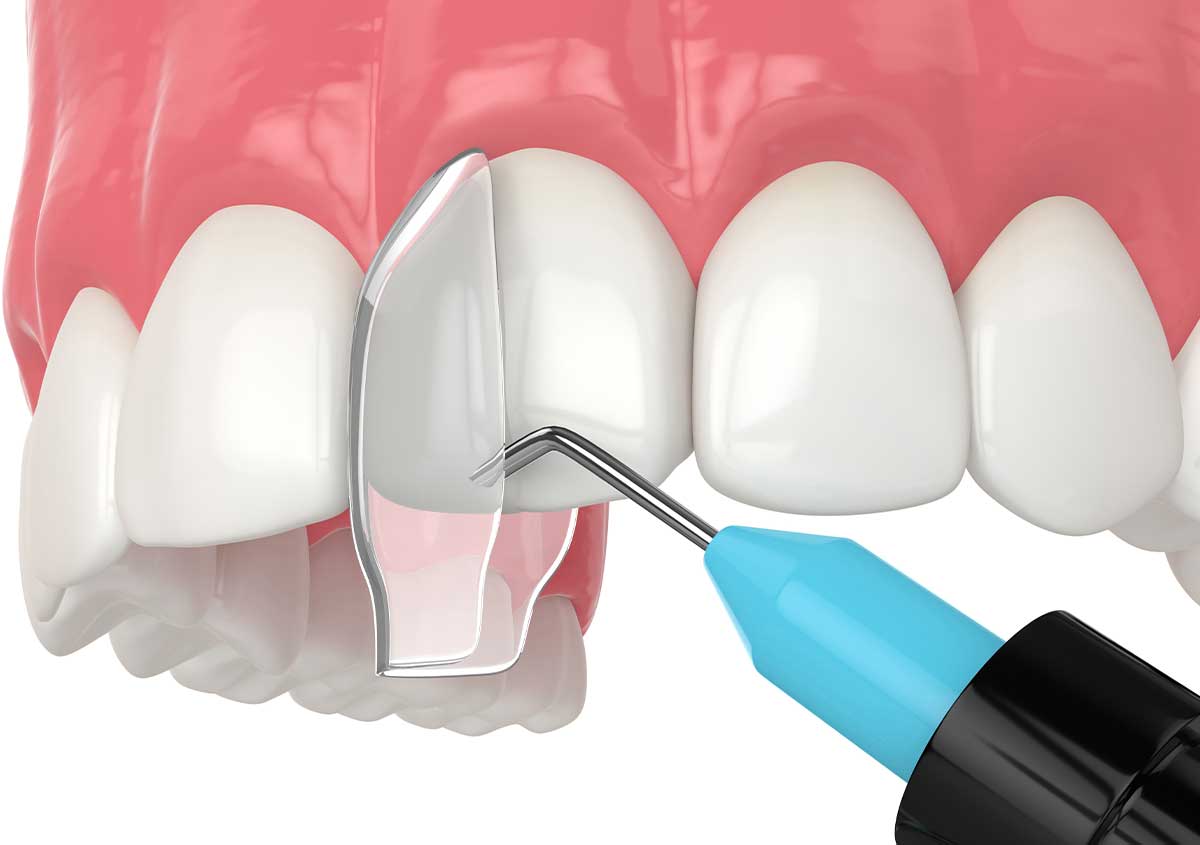 Dental bonding is a cosmetic dental procedure that uses tooth-colored composite resin to repair or improve the appearance of teeth. It can fix minor chips and cracks, close small gaps, cover discoloration, and reshape uneven or worn teeth. The resin is matched to your natural tooth color to create a seamless, natural-looking result.
Unlike veneers, which are custom-made shells attached to the front of teeth, dental bonding involves applying the resin directly to the tooth surface. It is shaped and hardened with a special curing light to achieve the desired appearance. The procedure typically requires little to no enamel removal and can usually be completed in a single dental visit.
Pros of Bonding
- Minimally invasive: Dental bonding usually requires little to no removal of natural tooth enamel, preserving more of your original tooth structure.
- Painless and Fast: The procedure typically involves minimal discomfort and can often be completed in a single visit without anesthesia, unless additional dental work is needed.
- Cost-Effective: Bonding is generally more affordable than veneers, making it a budget-friendly option for minor cosmetic improvements.
- Reversible: Bonding usually preserves natural tooth structure, making it easier to change or upgrade to other treatments later.
- Natural Appearance: The composite resin is matched to your natural tooth color and carefully shaped to blend with the surrounding teeth.
Cons of Bonding
- Shorter Lifespan: Dental bonding typically lasts around 3–10 years, depending on the location, oral habits, and maintenance. Repairs or replacement may be needed over time.
- Lower Durability and Strength: Composite resin is more prone to chipping and wear than porcelain veneers, particularly when biting hard foods or grinding your teeth.
- Prone to Staining: Bonding material can absorb stains from coffee, tea, red wine, and tobacco more easily than porcelain.
- Loss of shine: Composite resin can lose its original polish over time, making bonded teeth look less glossy. Periodic polishing can help restore their appearance.
- Limited Scope: Bonding is only suitable for minor cosmetic fixes, such as small chips, gaps, and discoloration. It is not a good long-term option when addressing major structural damage, extensive tooth decay, or significant alignment problems.
Ideal Candidate for Dental Bonding
Dental bonding can be a suitable cosmetic option for people who want to fix minor tooth imperfections without extensive changes to their natural teeth. However, good oral health and proper care are important for long-lasting results. You may be an ideal candidate if you:
- Have small chips, cracks, gaps, or minor discoloration you want to correct.
- Have healthy teeth and gums without untreated decay or active gum disease.
- Want to improve your teeth’s shape or appearance while preserving natural tooth structure.
- Have exposed tooth roots that need protection from sensitivity, when bonding is appropriate.
- Maintain good oral hygiene and attend regular dental checkups.
Veneers vs. Bonding: Side-by-Side Comparison
Veneers and dental bonding can both improve the appearance of your teeth, but they differ in materials, durability, cost, and the amount of tooth preparation involved. Veneers cover the front surface of teeth, while bonding uses composite resin to repair or reshape specific areas. Here’s a side-by-side comparison to help you understand their differences and choose the option that suits your needs.
| Features | Veneers | Dental Bonding |
|---|---|---|
| Material | Porcelain or composite resin | Tooth-colored composite resin |
| Coverage | Covers the front surface of the tooth | Applied to specific areas of the tooth |
| Teeth Preparation | Usually requires some enamel removal; varies by veneer type | Usually requires little to no enamel removal |
| Number of visits | Usually 2 or more visits for porcelain veneers; some types require fewer | Usually completed in 1 visit |
| Stain Resistance | Generally stain-resistant, especially porcelain veneers | More prone to staining over time |
| Lifespan | Typically 10–15 years or longer, depending on the material and care | Typically 3–10 years, depending on care and wear |
| Cost | Generally more expensive | Generally more affordable |
| Best for | Correcting multiple cosmetic concerns, such as discoloration, uneven teeth, and shape | Repairing small chips, minor gaps, and localized discoloration |
Material and Coverage
Veneers are thin shells made from porcelain or composite resin that cover the front surface of a tooth. Dental bonding uses tooth-colored composite resin applied directly to specific areas, such as chips, cracks, or small gaps, rather than covering the entire front surface. Porcelain veneers offer a translucent, enamel-like appearance, while bonding resin is shaped and polished to blend with your natural teeth.
Teeth Preparation and Number of Visits
Veneer treatment depends on the material and type you choose. Traditional veneers usually require some enamel removal, and porcelain veneers often involve multiple visits for preparation and placement. Dental bonding typically requires minimal preparation and can usually be completed in a single appointment.
Stain Resistance and Lifespan
Porcelain veneers resist stains well and can maintain their appearance for many years with proper care. Composite resin used in bonding is more susceptible to discoloration, chipping, and wear, so it often needs polishing or repairs over time. Both treatments require good oral hygiene and regular dental checkups to maintain their results.
Cost and Best Uses
Veneers generally cost more and are suitable for people who want to change the appearance of several teeth or address concerns such as discoloration, uneven shapes, and small gaps. Bonding is typically more affordable and works well for minor corrections, including small chips, gaps, and localized imperfections.
Veneers vs. Bonding: Which Is Right for You?
Veneers and dental bonding serve different cosmetic needs. The better option depends on the imperfections you want to correct, your budget, and your long-term expectations. Veneers are a good option if you want to address stubborn discoloration, uneven tooth shapes, or several cosmetic concerns at once. Porcelain veneers also offer strong stain resistance and long-lasting results, but traditional veneers usually require permanent enamel removal and cost more than bonding.
Dental bonding is a practical choice if you want to fix minor chips, small gaps, or localized discoloration without extensive changes to your natural teeth. It is generally more affordable, requires little to no enamel removal, and can often be completed in one visit. However, bonding is more prone to staining and chipping, so it can require repairs or touch-ups over time. A dentist can examine your teeth, discuss your goals, and help you choose the treatment that best fits your needs.
Achieve Your Ideal Smile at Our Tarzana Dental Office
Whether you want a brighter smile or straighter teeth, the right treatment depends on your dental needs, goals, and timeline. Dr. Nargiz Zadeh takes a personalized approach to care, helping patients explore options such as professional teeth whitening, traditional braces, and Invisalign. As an experienced dentist in Tarzana, Dr. Zadeh can assess your teeth, discuss your concerns, and recommend a treatment plan tailored to your needs.
If you're exploring veneers or dental bonding, schedule a consultation with Dr. Nargiz Zadeh to discuss the changes you want to make to your teeth and discover an approach that aligns with your smile goals.
Frequently Asked Questions
Can Teeth Bonding Look as Natural as Veneers?
Yes, dental bonding can look just as natural as veneers when the composite resin is carefully matched to your tooth color and shaped to complement your natural teeth. However, porcelain veneers tend to reflect light more like natural enamel and maintain their appearance longer because they resist stains better than bonding resin. The final result depends on the condition of your teeth, the area being treated, and your dentist’s skill.
Can I Switch From Teeth Bonding to Veneers?
Yes, you can switch from dental bonding to porcelain or composite veneers if your teeth are suitable. Your dentist will remove or reshape the existing bonding, prepare your teeth if needed, and fit custom veneers. Since traditional veneers usually require permanent enamel removal, discuss the benefits and limitations of both options before making the switch.
Is dental bonding reversible compared to veneers?
Dental bonding is largely reversible because it typically requires little to no enamel removal. A dentist can remove the composite resin while preserving most of your natural tooth structure. Traditional porcelain veneers, however, are irreversible because they require permanent enamel removal. Since enamel does not grow back, your teeth will generally need replacement veneers or another suitable restoration when the original veneers wear out.
Does Dental Bonding Stain More Easily Than Veneers?
Dental bonding stains more easily than porcelain veneers because composite resin absorbs pigments from coffee, tea, red wine, and other dark foods and drinks. Porcelain veneers have a smoother, non-porous surface that resists staining and maintains their color longer. Composite veneers, however, are also more prone to staining. Regular dental cleanings can help maintain bonding, but discolored resin needs professional polishing or replacement.