Core Insights:
- Veneers and bonding can fix many of the same cosmetic concerns.
- Veneers generally provide a more comprehensive and polished smile transformation.
- Bonding offers a conservative, convenient solution for minor imperfections.
- Veneers typically last longer and resist stains better than bonding.
- The best treatment depends on individual goals, budget, and lifestyle.
Many clients contact us to fix minor cosmetic issues. While they know they want to improve their smile, they're often unsure which treatment will deliver the results they want. Even though most people have heard of veneers and bonding, they don't understand how these cosmetic dentistry options differ or which one best suits their needs.
As a trusted cosmetic dentist in Tarzana, Dr. Zadeh helps our community achieve beautiful, natural-looking smiles through our range of modern treatments. In this guide, we'll break down the differences between veneers and bonding in Tarzana. We'll compare each treatment and explain how a personalized consultation helps us develop a treatment plan that fits your lifestyle.
What Smile Problems Can Veneers and Bonding Fix?
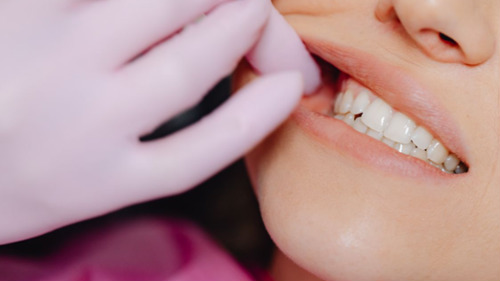
Porcelain veneers are thin ceramic shells we place over the front of teeth to improve certain characteristics, such as color and shape. The bonding process uses tooth-colored resin that we sculpt directly onto the tooth.
Both treatments can address many of the same concerns and provide noticeable improvement. We typically pair veneers with other cosmetic procedures for patients seeking a comprehensive smile makeover in Tarzana. We often use bonding for smaller, localized corrections that require a more conservative approach.
How Do Veneers and Bonding Differ in the Way They Look?
One of the most common questions we get asked is which option looks more natural. Both veneers and bonding can produce natural-looking results, and best of all, most people won't notice you've had cosmetic work done.
That said, natural-looking veneers usually offer numerous advantages when the focus is purely on appearance. The porcelain material can capture and reflect light in a way similar to natural enamel. It also allows us to create subtle color variations, helping avoid a fake look. Bonding uses a tooth-colored resin that blends in well, especially when working on a single tooth. No matter which option you choose, we design every smile so that your teeth look natural, not overdone and unnatural.
What Is the Treatment Process Like for Each Option?
While both treatments can improve your smile, the process looks a little different for each one. Here's what you need to know about the veneer and bonding processes.
Porcelain Veneers
During the veneers procedure at our Tarzana branch, we start with a consultation and a thorough exam. We take photos, review your smile goals, and discuss the look you want to achieve. Next, we design your new smile, select the right shade, and determine how many teeth to treat.
We then prepare the teeth as needed and take impressions or digital scans. You'll wear temporary veneers while a dental lab creates your custom restorations. At your next visit, we will place your final veneers and make sure they look and function beautifully.
Cosmetic Bonding
Our dental bonding procedure involves fewer steps and usually takes less time. We begin with a consultation and choose a shade that matches your natural teeth. We then lightly prepare the tooth and apply the bonding material.
Next, we carefully shape and smooth the resin until it blends naturally with your surrounding teeth. We finish by polishing the tooth for a natural appearance. We typically complete the entire treatment in a single visit.
Bonding offers a quick solution for minor cosmetic concerns. At the same time, veneers require more planning and provide a more comprehensive smile transformation.
How Long Do Veneers and Bonding Last?
When comparing veneers vs. bonding durability, longevity is a major decision-maker. Most people want to invest in a solution that continues to look good over time.
Porcelain veneers generally last longer than bonding and effectively resist stains. With proper care, veneers often last 10 to 15 years or more. Many patients choose veneers because of their long-term value.
Bonding also delivers beneficial results, especially for smaller cosmetic concerns. On average, bonding lasts 3 to 10 years, depending on its location. The resin material can stain, chip, or wear down more easily than porcelain, so we may need to touch up or replace bonded areas sooner.
When patients ask us, "How long do veneers last?", we consider the treatment and the aftercare routine. Daily brushing and flossing make a huge difference. Habits like nail-biting or teeth grinding can shorten the lifespan of either option. Regular check-ups help protect your investment, too. Our team reviews all these factors and helps you choose the option that best fits your requirements.
How Do Veneers and Bonding Compare in Cost and Value?
When comparing bonding vs. veneers, it's important to consider not only the upfront cost but also the long-term investment.
Veneers cost more than bonding because they involve custom design work, laboratory fabrication, multiple appointments, and more detailed treatment planning. For patients seeking a complete smile transformation, that added investment often brings longer-lasting results and greater durability.
Bonding usually offers a more affordable cosmetic dentistry option initially. It works especially well for patients who want to improve their smile without committing to veneers right away.
If you want a durable upgrade, veneers may offer better value over time. If you need a simple correction, bonding serves as a versatile solution. We always encourage open conversations about budget, priorities, and expectations so we can create a treatment plan that's realistic for you.
When Are Veneers More Suitable Than Bonding?
While bonding works for many minor concerns, porcelain veneers often make more sense for individuals who need more extensive changes. We frequently recommend veneers when several front teeth need improvement.
Veneers can help when intrinsic stains don't respond well to whitening, or when teeth appear worn and uneven. One of the biggest advantages of cosmetic dentistry with veneers involves customization. We can carefully design tooth proportions, improve symmetry, and create a smile that complements your facial features. For complete smile transformations, we combine veneers with whitening, Invisalign, or bonding on less-visible teeth to fully customize your smile and achieve the best possible results.
When Is Cosmetic Bonding the Better Choice?
Although veneers offer many advantages, dental bonding for Tarzana patients remains an excellent option for the right situation. We often recommend bonding when patients have one or two small chips, gaps, or small cosmetic imperfections on healthy teeth.
Tooth bonding for chips is effective when we want to improve a tooth without major changes. We can also use bonding to cover small exposed root surfaces near the gumline, helping improve appearance and reduce sensitivity.
Many of our patients appreciate bonding as it's a conservative cosmetic dentistry approach. The treatment typically requires very little alteration to the natural tooth, and we can often modify the bonding later if you decide that veneers may be a better fit. Some patients even use bonding to preview cosmetic changes before committing to a smile makeover.
How Do You Decide What's Best for Your Tarzana Smile?
It all starts with a consultation. From there, we can determine the pathway to your perfect smile. Our team takes the time to understand your concerns and explain our options to you. When you schedule your cosmetic dentistry visit, you're starting a long-term relationship that puts your needs first.
The best choice for your new smile depends on several factors, including the severity of your concern, the number of teeth to treat, your budget, timeline, and longevity requirements. We discuss your expectations during your consultation for veneers vs. bonding. For professional cosmetic dentistry with personalized guidance you can trust, contact our team today.
Frequently Asked Questions
Can I whiten my teeth after getting veneers or bonding?
No. Whitening products only work on natural teeth and won't change the color of veneers or bonding material. If you're considering whitening, we often recommend doing that treatment before we match your veneers or bonding to your desired shade.
Will veneers or bonding feel different from my natural teeth?
Most patients adjust very quickly to both treatments. Once we complete the procedure and make any necessary adjustments, they should feel comfortable and function like your natural teeth during everyday activities.