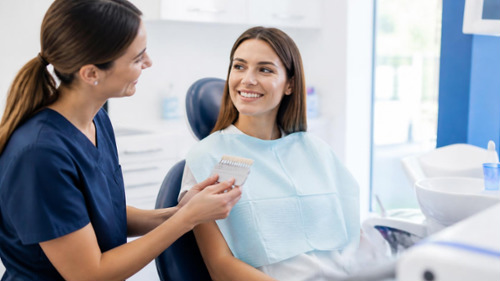
Professional teeth whitening can visibly brighten your smile in a single visit, but the results only last if you protect them during the first 48 hours. Once you've had teeth whitening, aftercare is crucial. The first two days after your appointment are when your teeth are at their most vulnerable. If you don't care for them properly during this phase, you reduce the effectiveness of the treatment.
This article explains how to care for your teeth after whitening to get the most out of your investment and extend the time between touch-ups. We also touch on what not to do after your appointment and how to manage sensitivity.
Why Teeth Whitening Aftercare Matters
Aftercare matters because it protects your teeth whitening results. The better you care for your teeth immediately after your appointment, the whiter they will look. During whitening, the dentist applies a peroxide-based gel to the teeth. This gel temporarily opens the microscopic pores in the tooth enamel so that stubborn stains can be removed.
During the first 24 to 48 hours after your appointment, these pores remain open. That means your teeth are more susceptible to staining than usual during this time. They absorb dark colors much faster, so it's crucial to avoid drinks like coffee and red wine. Patients who follow the teeth whitening aftercare instructions their dentists provide tend to see better, longer-lasting results.
What to Do After Teeth Whitening
After whitening, follow a few simple habits, such as adjusting what you eat for the day and improving your oral hygiene routine. Follow the teeth whitening aftercare tips below to get the best results from your treatment.
Drink Plenty of Water
Water helps rinse away food particles and pigments throughout the day. It's the safest liquid to drink during the first 48 hours after whitening because it has zero risk of staining your teeth. If you can, try to drink only plain water for the first day and rinse your mouth with water after eating.
Stick to a White Diet
A "white diet" for teeth whitening refers to pale, non-pigmented foods and drinks. Avoid anything containing unnatural colorants for the first 48 hours and stay away from acidic ingredients. We explain dietary do's and don'ts in more detail below.
Use a Soft-Bristled Toothbrush
Your teeth may feel more sensitive after whitening because the pores are open and the inner layers of your enamel are exposed. To prevent irritation, use a soft-bristled toothbrush for the first 48 hours after whitening. Brush gently in circular motions and avoid pressing on your teeth.
Rinse With Fluoride Mouthwash
Fluoride helps strengthen your enamel and can ease sensitivity after whitening. Rinse with a fluoride mouthwash to protect your newly whitened teeth between meals and help re-seal the tooth against staining foods and drinks.
Schedule Regular Dental Checkups
Professional cleaning helps remove plaque buildup that can make whitened teeth look dull. Schedule a routine clean at least once a year or more frequently at your dentist's discretion. These cleanings remove dirt and help you catch hidden dental problems earlier.
What to Avoid After Teeth Whitening
Avoiding certain habits after professional teeth whitening can drastically improve your results. Here are some restrictions to keep in mind during the first 48 hours after your appointment.
Avoid Dark Foods and Drinks
Don't eat or drink any dark, staining foods during the first 48 hours after teeth whitening. Teeth can absorb strong pigments, which can reduce the treatment's effectiveness. View the full list of foods and beverages to avoid below.
Avoid Smoking or Tobacco
Tobacco contains tar and nicotine, which are both stubborn staining agents. Smoking even one cigarette after you whiten your teeth will quickly make them look yellow. The same goes for all nicotine products, including vapes, nicotine pouches (ZYN, etc.), and nicotine gum.
Limit Acidic Foods
Acidic foods temporarily soften the tooth enamel, making it even easier for pigments to stain your teeth. Avoid foods and drinks that taste sour or sharp, even if they aren't dark in color — for example, citrus, sour candy, pickles, and soda.
Don't Skip Oral Hygiene
Brushing and flossing your teeth are even more important after professional whitening. Floss every day for the first week and brush twice daily. This prevents plaque and food particles from sitting on the teeth for too long, which can cause staining.
Avoid DIY Touch-Ups Immediately
Do not use whitening toothpaste or strips for the first 48 hours after professional teeth whitening. Doing so will make your teeth and gums more sensitive and even more likely to stain.
Foods and Drinks to Avoid for the First 48 Hours
This list covers the foods and drinks known to cause staining during the first 48 hours after professional teeth whitening.
Beverages to Avoid
- Coffee because it's acidic and contains staining pigments called chromogens and tannins.
- Tea is high in tannins that can stain bleached teeth.
- Red wine contains a highly staining mix of tannins, tartaric acid, and dark pigments.
- Beer is acidic and carbonated, eroding the tooth enamel while its pores are open.
- Fruit juices often contain corrosive citric acid combined with dark fruit pigments.
- Soda is a triple threat of caramel dye, phosphoric acid, and carbonation.
Foods to Avoid
- Soy sauce is incredibly high in dark chromogens that stain the teeth.
- Curry powder contains curcumin that causes severe yellow staining on bleached teeth.
- Chocolate contains tannins, dark chromogens, and sugar that sticks to the teeth.
- Berries and dark fruits contain staining compounds called anthocyanins.
- Ketchup is highly acidic and contains a bright red pigment called lycopene.
- Balsamic vinegar is extremely acidic and contains dark pigments that bind to the teeth.
Safe Foods to Eat After Teeth Whitening
The following "white diet" foods are safe to enjoy after teeth whitening. Sticking to this menu for the first 48 hours will keep your teeth bright and protect them from staining.
- Bananas are one of the few safe fruits because they are soft, non-acidic, and pale.
- Cauliflower is naturally pigment-free and rich in vitamins.
- Cottage cheese is non-acidic and soft on sensitive teeth.
- Eggs are a good source of lean protein. Avoid serving them with dark spices.
- Milk is dye-free and low-acid with calcium and casein that help strengthen tooth enamel.
- Oatmeal is gentle on sensitive teeth. Avoid adding brown sugar or berries.
- Pasta is safe with clear or white sauces. Do not serve it with tomato-based sauce.
- Plain white yogurt is high in calcium and contains probiotics to support oral health.
- Potatoes are plain and gentle. Serve them peeled and mashed with milk or butter.
- Skinless chicken breast is high in protein with zero dark pigments.
- Tofu has a neutral white color and low acidity.
- White bread is made from refined flour and contains zero dark pigments.
- White rice is a gentle, neutral base for meals during teeth whitening aftercare.
- White fish like cod, hake, haddock, halibut, and tilapia are naturally pale.
How to Manage Sensitivity After Teeth Whitening
Teeth sensitivity after whitening is common and should disappear on its own within the first two days. Your teeth will likely feel more sensitive to heat, cold, and airflow than usual. This is normal, and nothing to worry about. To reduce sensitivity after whitening, avoid consuming food and drinks at extreme temperatures, such as ice water or hot soup.
You can also switch to a sensitivity toothpaste during the aftercare period. This helps to seal the pores in your teeth and numb the dental nerves so you don't feel as much sensitivity. If the pain persists, you can take over-the-counter medication, but always consult your dentist if the sensitivity lasts longer than a few days.
How to Maintain Long-Term Whitening Results
Teeth whitening aftercare goes beyond the initial 48 hours. To keep your teeth looking bright long-term, maintain good oral hygiene and prioritize regular touch-ups.
Patients who get a teeth whitening touch-up every six to twelve months are more likely to see lasting results. Remember, this is a general guide. Your dentist will advise you on how often to touch up based on your diet and lifestyle habits. You may even be able to batch your whitening touch-ups with other cosmetic dentistry services, such as dental bonding or gum shaping.
Protection and Lifestyle Habits That Support Whiter Teeth
Touch-ups aren't the only way to maintain teeth-whitening results. Your daily habits also play an important role in preserving tooth brightness. For example, rinse your mouth with water after drinking coffee, tea, or wine, use a straw for dark beverages, and limit your intake of darkly pigmented foods. The goal is not to restrict yourself, but to adopt sustainable behaviors that prevent staining.
Other long-term lifestyle habits for whiter teeth include brushing and flossing every day, using whitening toothpaste periodically, and avoiding nicotine products.
Why Choose Dr. Nargiz Zadeh for Professional Teeth Whitening?
Teeth whitening and aftercare are easier and more enjoyable with a trusted dentist guiding you through the process. Dr. Nargiz Zadeh is an experienced cosmetic dentist in Tarzana who is passionate about transforming smiles. When you work with Dr. Zadeh, you get a personalized whitening treatment plan and tailored aftercare guidance, not a one-size-fits-all approach.
Dr. Zadeh and her team are warm and welcoming, making you feel comfortable from start to finish. Schedule a teeth whitening consultation at her practice today.
Frequently Asked Questions
When can I brush my teeth after professional teeth whitening?
You can brush your teeth an hour after professional teeth whitening. Wait at least an hour to give your enamel time to recover. When you do brush, use a soft-bristled toothbrush.
How long does teeth whitening last?
Professional teeth whitening generally lasts one to three years. The longevity depends on your dietary choices, oral hygiene, and smoking habits.
Can I smoke after tooth whitening treatment?
You should not smoke for at least 48 hours after a teeth whitening treatment. The nicotine in cigarettes will stain your teeth and ruin your results. It's best to avoid all nicotine products, including pouches, vapes, and gum, for the first two days. If you have cravings, use a nicotine patch instead.
Can I drink coffee 48 hours after teeth whitening?
You should not drink coffee during the first 48 hours after teeth whitening. After the first 48 hours, consider drinking your coffee with a straw and rinsing your mouth with water afterward.
What is the white diet after teeth whitening?
The white diet for teeth whitening is a menu of pale, non-pigmented foods that will not stain your freshly whitened teeth. It includes things like white rice, bread, potatoes, pasta, oatmeal, and tofu. Follow the white diet for at least 48 hours after your treatment.