Core Insights:
- Dental bonding lasts three to ten years depending on location and care.
- Front-teeth bonding outlasts back-teeth bonding.
- Nail-biting, ice-chewing, and teeth grinding shorten bonding lifespan.
- Composite resin stains faster than natural enamel and can't be whitened.
- Replacement costs $150 to $600 per tooth in Tarzana.
If you have a chipped or cracked tooth, or even some discoloration, dental bonding is a good option for hiding those imperfections and brightening your smile. If you've never had it done before, it's natural to question how long it lasts and whether it's worth the investment.
Dental bonding lasts about three to ten years, depending on where it's placed and how well you maintain it. Good oral hygiene can significantly extend its lifespan.
This article covers the many factors that affect dental bonding lifespan and how to extend its lifespan where you can. We'll also go over the signs of wear and tear and when to get your bonding replaced.
What Is Dental Bonding?
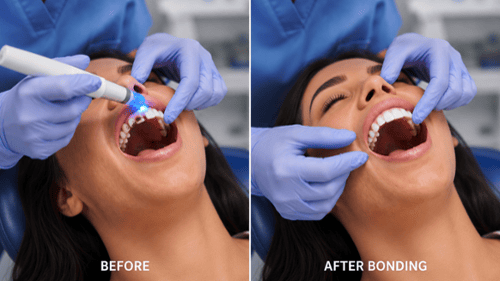
Dental bonding is a cosmetic procedure in which a dentist uses a tooth-colored resin to repair chips, cracks, discoloration, or small gaps between teeth. It is also known as composite resin bonding. During the procedure, the resin is applied directly to the surface of the tooth and hardened with a UV curing lamp.
Dental tooth bonding is one of the most affordable and least invasive cosmetic dental options. It doesn't involve removing your natural tooth enamel and can generally be completed in one visit.
How Long Does Dental Bonding Last?
Dental bonding lasts between three and ten years, depending on where in the mouth it is and how you care for it. Bonding on the front teeth tends to last longer because it is less exposed to pressure while chewing. Bonding on molars, premolars, and canines wears faster.
In general, the average person can expect their dental bonding to last about five years before it needs replacement. Dental bonding can be redone when it starts to wear.
What Are the Factors That Affect the Lifespan of Dental Bonding?
Dental bonding longevity is not guaranteed. Some people can keep the same bonding for a decade, while others have to replace it more often. Everyone's experience is different. These are the known factors that affect how long dental bonding lasts.
Location of the Bonding
The location of the repair affects how long dental bonding will last. On front teeth, it lasts much longer because it's exposed to less biting pressure. Bonding on the back teeth generally has a shorter lifespan.
Oral Habits
Biting your nails wears away at your dental bonding and reduces its lifespan. Other habits to avoid include opening packages with your teeth, chewing ice, and chewing on pens and pencils.
Diet and Staining Habits
Dental bonding does stain. The composite resin it's made of is more porous than natural tooth enamel, so it absorbs colors from tea, coffee, wine, and dark foods faster. Over time, this can cause your tooth bonding to look mismatched against the rest of your teeth.
Teeth Grinding and Clenching
Teeth grinding and dental bonding are not a good combination. Every time you grind or clench your teeth, you're putting significant force on the resin. This repeated wear can eventually cause your dental bonding to crack.
Oral Hygiene and Dental Visits
Plaque buildup around the margins of bonded teeth can weaken the bond over time. Regular brushing, flossing, and professional cleaning are crucial. The better your oral hygiene, the longer your dental bonding will last.
How to Make Dental Bonding Last Longer?
Dental bonding can last a long time with proper maintenance. Here are some dental bonding care tips to extend its lifespan.
Maintain Excellent Oral Hygiene
Brush twice daily with a soft-bristled toothbrush and non-abrasive toothpaste. Avoid whitening toothpastes. These are often very abrasive on the teeth and can scratch the surface of composite resin. Remember to floss every day to remove plaque around the bonded teeth.
Avoid Biting Hard Objects
Avoid chewing hard candy, pens, ice, and any very tough foods or foreign objects that can damage your dental bonding. Try not to bite your nails, as this puts extra stress on the resin and can cause it to chip prematurely.
Wear a Night Guard if Needed
A night guard is the best way of protecting your dental bonding from grinding (also known as bruxism) while you sleep. Wearing a custom night guard that suits the shape of your teeth is best.
Limit Foods and Drinks That Cause Staining
Unlike natural tooth enamel, composite resin can't be whitened once it's stained. To prevent discoloration, rinse your mouth after drinking staining liquids like red wine, tea, or coffee. If you can, try to limit your intake of these drinks entirely.
Schedule Regular Dental Checkups
Your dentist can help you maintain your dental bonding to make it last longer. Dr. Zadeh checks the bonding during routine check-ups and polishes it slightly to enhance its appearance when needed. Your dentist is more likely to catch early signs of wear before it causes problems.
When Should You Consider Re-bonding?
You can replace dental bonding as often as needed, provided the natural tooth below is in good condition. Here are some signs that your dental bonding needs replacing.
Chipping or Cracking
If your dental bonding is chipping, it's time to replace it. You'll know there's a chip when you can see visible cracks on the tooth or notice dental floss catching in the area. If left untreated, chipped bonding exposes your underlying tooth and allows plaque to infect it.
Staining That Cannot Be Polished Away
Composite resin is porous and naturally attracts stains faster than natural tooth enamel. If the color of your tooth bonding is noticeably different from the surrounding teeth, it may be time for a replacement.
Rough or Uneven Surfaces
Dental bonding should feel smooth and tooth-like. If it feels rough or uneven on your tongue, it could be a sign of the resin breaking down. Ask your dentist to check for surface wear and replace the bonding if necessary.
Changes in Bite or Comfort
Bonded teeth should not feel sensitive or sore. If you notice any discomfort when biting or you're suddenly more aware of the bonded tooth than before, the bonding may be shifting or wearing away unevenly.
How Much Does It Cost to Replace Dental Bonding?
Replacing dental bonding can cost between $150 and $600 per tooth in Tarzana. The price differs depending on the size and complexity of the repair. Even at the higher end of the range, a dental bonding replacement will cost significantly less than veneers. Some insurance providers also cover it.
Dental bonding is one of the only cosmetic dentistry services that insurance plans commonly cover. That's because bonding can be used for restorative purposes like fixing a chipped or cracked tooth.
Why Choose Dr. Nargiz Zadeh for Dental Bonding in Tarzana?
Dr. Zadeh is a top-rated cosmetic dentist in Tarzana who has been helping her patients brighten their smiles for over a decade. Dental bonding is one of Dr. Zadeh's specialties. She understands how the quality of the resin affects the final result and only uses the best products from dental manufacturers she trusts.
During your appointment, Dr. Zadeh will take extra care to match the shade, shape, and texture of the bonding to your natural teeth for a subtle and natural-looking finish. She will also check your bite to ensure there is no extra pressure on the resin that would shorten its lifespan.
Schedule Your Dental Bonding Consultation in Tarzana Today
Dental bonding is an accessible, non-invasive cosmetic dentistry option for fixing chips, cracks, and discoloration of the teeth. With the right care, it can last for up to ten years. Looking after your dental bonding is as easy as maintaining good oral hygiene, avoiding foods that stain, and visiting your dentist regularly.
Now that you have a clearer picture of what dental bonding involves and how to maintain it, you may want to investigate whether it's the right option for you. Dr. Zadeh can conduct a professional, obligation-free assessment of your teeth to help you decide. Schedule a dental bonding consultation at her Tarzana office today.
Frequently Asked Questions
How long does dental bonding last on front teeth?
Dental bonding on your front teeth can last up to ten years with proper care. Bonding tends to last much longer on your front teeth than your back ones because they absorb less grinding force.
Does dental bonding look natural?
Yes, dental bonding looks natural. The resin used is designed to look like natural tooth enamel, and a good dentist will shade-match it exactly to the surrounding teeth.
How long does a dental bonding procedure take?
A dental bonding procedure takes 30 to 60 minutes per tooth, depending on how much sculpting is needed. Most treatments happen in a single short visit.
Can I remove dental bonding?
You can remove dental bonding without damaging your natural teeth. During removal, the dentist will smooth away the resin to reveal the tooth below it.
How painful is dental bonding?
Dental bonding is not painful. You should feel little to no discomfort during the procedure, and you won't need anesthetic unless you're bonding near an exposed nerve.